



















SPOILER WARNING
If you have narrow feet, thin cuticles, a slight overbite, semi-obturating earlobes or high hair density, then you are considered an alien according to the protagonists of Yorgos Lanthimos’s (Poor Things, Dogtooth) newest film, Bugonia. With his latest offering, Lanthimos crafts an unhinged dark comedy aimed at condemning corporate greed and conspiracy theorists. The film explores how personal trauma can spill over into suspicion, seeking a cosmic explanation rather than looking for an answer under our noses.
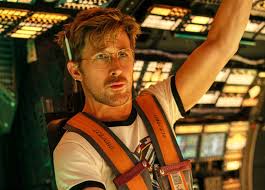
From that seemingly human checklist, the comical cousin duo, Teddy (Jesse Plemons) and Don (Aidan Delbis), conclude that a CEO of a major biotech and pharmaceutical company, Michelle (Emma Stone), is an alien sent to Earth to destroy humanity. Convinced they are right, the two go to extreme lengths to prove Michelle’s true identity as an Andromendan.
The word bugonia is Greek for “ox-birth”; it ties back to the ancient belief that bees would spontaneously spawn from cow carcasses. With this, Lanthimos wastes no time establishing the central symbol of the film: bees.
The film opens with Teddy’s short voiceover about bees signaling his fixation on bees. The viewer sees him in his beekeeping gear, explaining their vital role in the ecosystem and the decline of bees due to “colony collapse disorder” (CCD). This introduction frames Teddy as an environmentalist and, in his mind, a witness to the perishing natural order. Here, the bees exemplify the way Teddy experiences the world: a savior of something fragile against anyone who threatens it.
The dynamic between Michelle and the cousins closely resembles predator and prey, blurring the line between instinct and reason. In the past, Teddy and Don had hunted false Andromedans, even taking photographs of the tortures they inflicted on past victims. When they caught Michelle, Don asked Teddy, “How can you tell she’s an alien?” Teddy replies: “You just know. You don’t even have to cut it open.” This conversation emphasizes how paranoia can easily manipulate ordinary observations into “proof.” Teddy and Don create an echo chamber, denying any claims against extraterrestrial life, even if it came from an alien herself.
At the film’s climax, Michelle confesses that she is the Empress of Andromedans. Contrary to the cousins’ presumptions, she didn’t come to destroy humanity; she’s here to save it after witnessing humans’ reckless destruction of Earth. One dreamlike moment shows Teddy holding his mother in the sky like a balloon, a parallel to Federico Fellini’s 8 ½. This scene portrays Teddy’s delusion and detachment from the world. Years of unresolved grief and a distorted psyche caused Teddy to externalize his trauma and blame Michelle as an alien responsible for his mother’s illness and Earth’s deterioration.
The film finishes with Michelle popping the “bubble” around (the flat) Earth, killing humanity, and the camera exposes people contributing to the decline of Earth. Still, the audience doesn’t leave with total despair; the bees are still alive. Bugonia highlights the effects of neglect and how past suffering can manifest personal speculations into twisted misinterpretations. Lanthimos’ eccentric satire extends beyond the individual, criticizing institutions, such as big pharma and capitalism, that exploit with an impressive amount of indifference, that they might as well be considered alien.