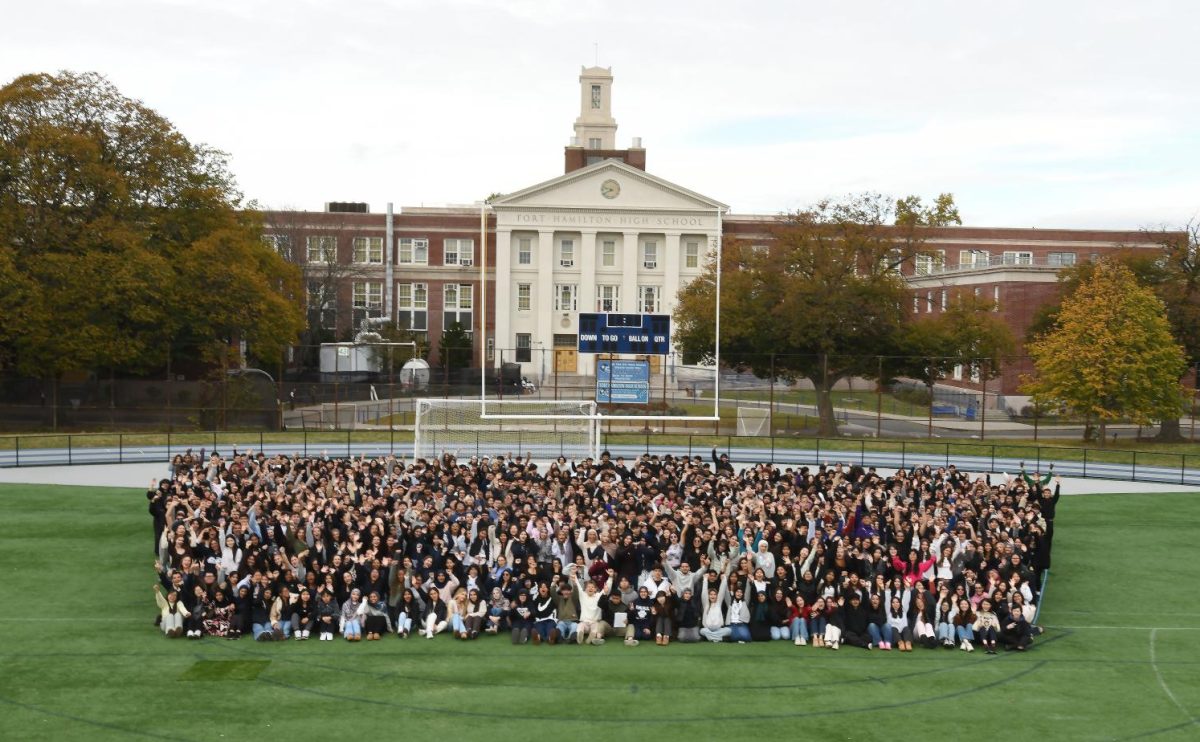












Long before the crowded hallways, bustling clubs and championship teams that have come to define Fort Hamilton High School today, the land at 8301 Shore Road told a very different story. In the late nineteenth and early twentieth centuries, the site was home to the Crescent Athletic Club, an exclusive retreat for New York’s elite. Overlooking the Narrows, the club featured a grand country house, a lively clubhouse and even a boathouse along the waterfront. The property itself carried deep local roots, having been partially owned by members of the historic Van Brunt family before transforming into a social hub for the city’s upper class.
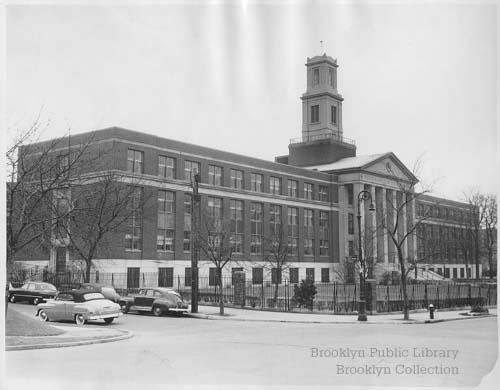
By the late 1930s, however, the Crescent Athletic Club had faded, and the land stood ready for reinvention. As Brooklyn’s population grew and nearby schools became increasingly overcrowded, city officials saw an opportunity to reshape the site into something far more enduring. On September 23, 1940, Mayor Fiorella LaGuardia broke ground on what would become Fort Hamilton High School, marking the beginning of a new chapter. Just one year later, on September 8, 1941, the school opened its doors – its red-brick Georgian design forming a bold, H-shaped structure built to serve thousands of students for generations to come.
1950s
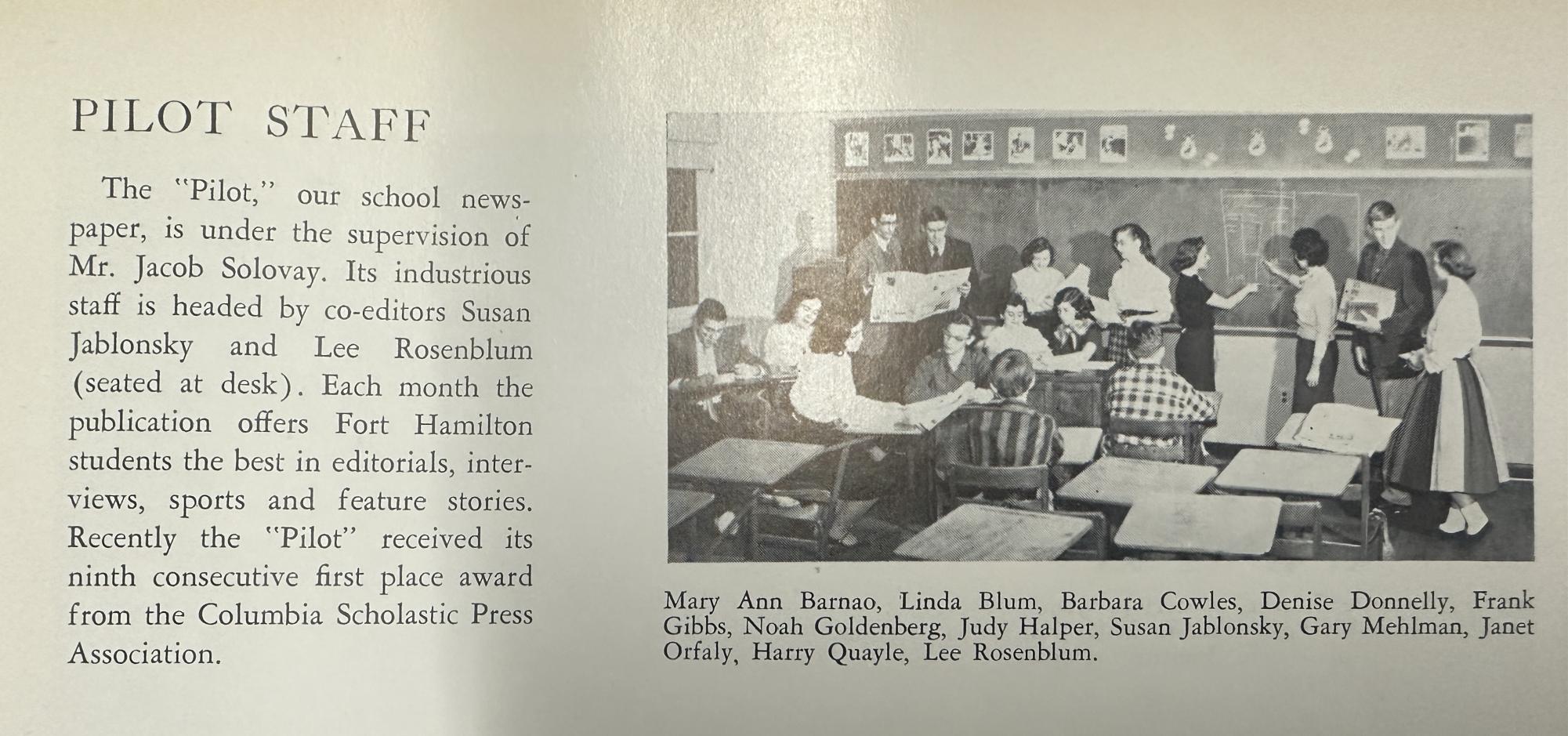
During the 1950s, America was a cookie-cutter conforming society. New Yorkers were seeking refuge from urban life in the suburbs. Society got the first installments of TVs, and Dwight Eisenhower was president. Along with these milestones was Fort Hamilton High School’s tenth anniversary on September 9th, 1951. Since its creation in 1941 the structure had remained the same, a plain three-story brick building standing against a pale blue oceanic background, the sounds of the sea flowing freely. But to many, the only sounds they heard were the oncoming threat of nuclear war, during the 1950s the Cold War was rampant, and in every school, including Fort Hamilton, nuclear hide and duck drills became a part of everyday life for students.
Several yearbooks from this decade reveal a level of introspectiveness and liveliness; in the yearbooks are poems and effigies about Fort and its people and what it has done. People actually enjoyed high school, with several quotations mentioning “Fun I had with the boys,” from Daniel Scavone, who has become an author. They also had senior shows where the entire class would put on a performance. They also had GI clubs, Secretariat squad, Newman and Trinity Club. They even had an entire section dedicated to puns. Although the 1950s had no real major events or constructions, it was a period of stability and allowed for Fort to become the creative, and expressive haven it is now.
1960s
The 1960s ushered in a decade of change that extended well beyond Fort Hamilton High School’s walls. Across the United States, movements for civil rights, political reform and cultural expression reshaped society, and students at Fort felt these shifts. As New York City’s population grew more diverse, so, too, did the student body, bringing new perspectives into classrooms and hallways.
Within the school, the structured conformity of the 1950s began to give way to a more expressive and socially aware environment. Student organizations expanded, offering spaces not only for recreation, but also for discussion and engagement with the world beyond Bay Ridge. Yearbooks from the era reflect this transition, blending traditional school spirit with a growing sense of individuality and curiosity about larger social issues.
Though the building itself remained unchanged, the atmosphere inside it evolved. The 1960s marked the beginning of a more dynamic and inclusive culture at Fort Hamilton, one shaped by students who were increasingly aware, vocal and connected to the rapidly changing world around them.
1970s
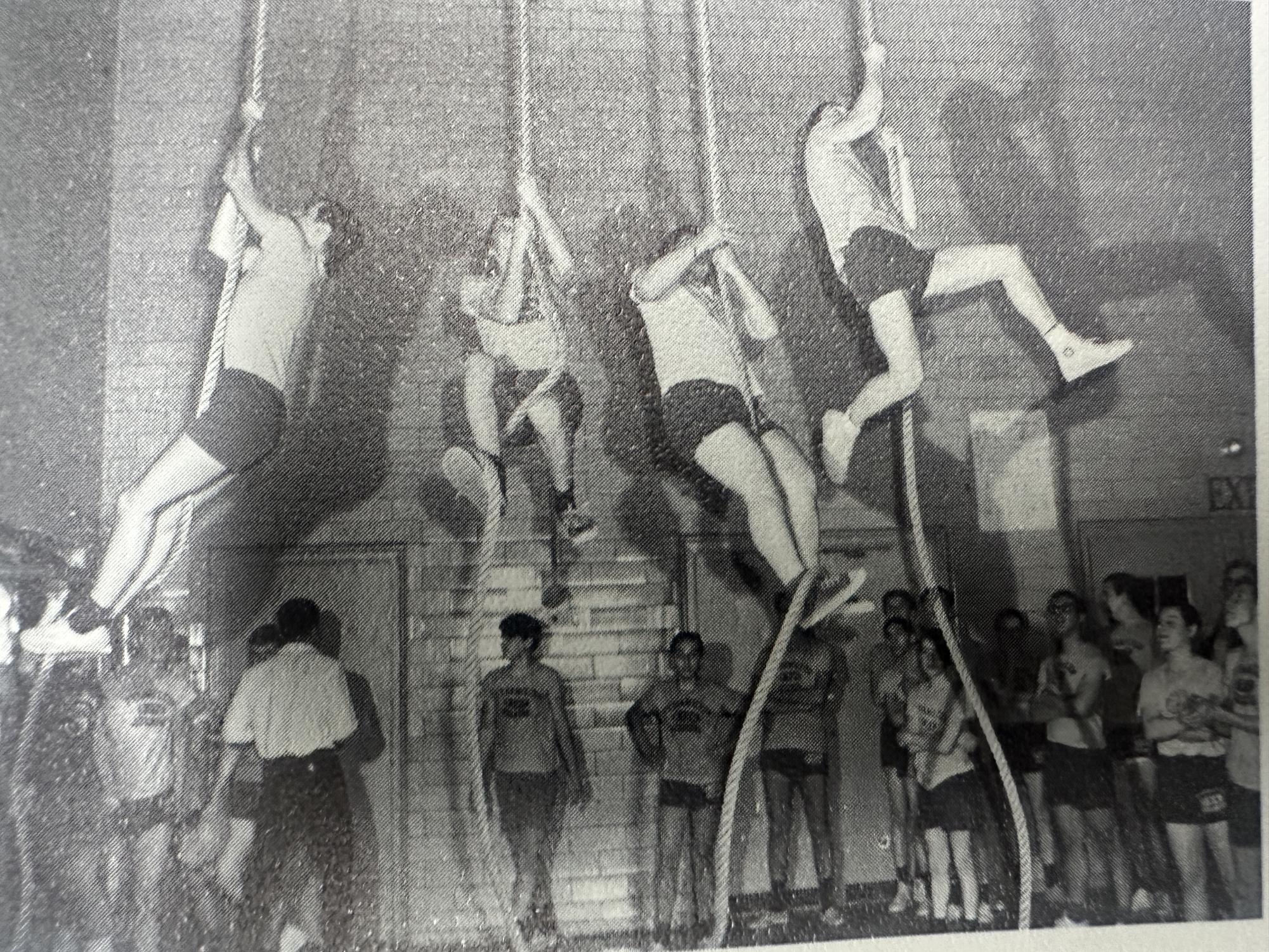
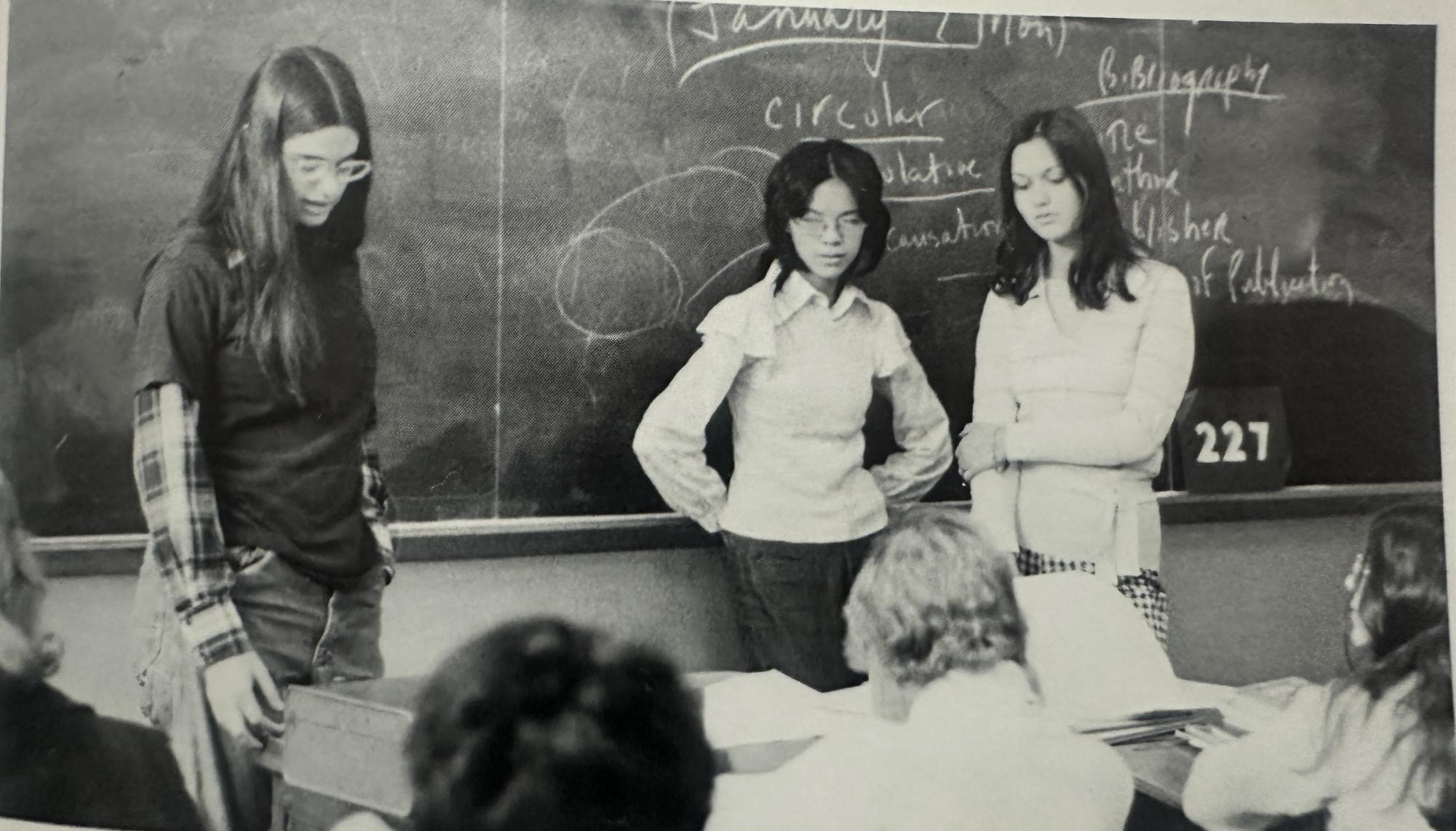
In the 1970s, Fort Hamilton High School developed an identity that was influenced by the culture, fashion and challenges of New York City. This decade had a uniquely turbulent, yet transformative essence that could be felt throughout the school and in Bay Ridge.
Fort Hamilton High School was already one of the largest public high schools in all of Brooklyn. It contained students from many of the surrounding neighborhoods such as Bay Ridge, Dyker Heights, Sunset Park and beyond. The wave of both new and old immigrants reflected the changing face of Brooklyn and shifting community demographics that brought greater diversity into Fort Hamilton.
Students arrived to school every day in fashionable attire such as bell-bottom jeans, leather jackets and colorful patterned shirts. Music was at the core of social life at Fort Hamilton in the 70s. Disco was booming, with artists such as Bee Gees and Donna Summer prevalent at school dances and parties. Students came together at a variety of events celebrating the tunes of funk and hip hop.
Meanwhile, outside of the school, New York City was facing significant difficulties. The mid-1970s financial crisis caused budget cuts and uncertainty across all New York City schools. Furthermore, the events of the 1977 blackout shook the city and concerns about crime affected the lives of many students commuting to the school.
Ultimately, the 1970s at Fort Hamilton High School reflected Brooklyn itself through its vibrant, diverse and ever-changing nature. Even during one the city’s most challenging decades, Fort remained a place for students to create lasting memories and unique identities that shape the school’s history today.
1980s
With the emerging decade of decadence, new changes arrived at Fort Hamilton High School. As the school had to adjust to the requirements of a new generation of students, there were developments in how the school addressed education. To prevent dropout rates from increasing, in 1983 the establishment of the Project SPEED, which helped English Language Learners through the use of bilingual instruction in a variety of subjects. These efforts were successful in providing resources to students in need and growing their education to match the school’s rate, even surpassing it in cases of attendance.
The community at Fort Hamilton had grown beyond its current array of students as the FHHS Alumni association had its inaugural meeting in 1983. With an alumni population ranging from the years of 1943 to 1983, David Whitebook, the association’s founder, organized a network of former students who could connect with each other and help support the school in its continued history. Shortly after their official formation, the FHHS Alumni Association held its first All-Classes Homecoming in October. Alumni were able to reconnect, have dinner, take a tour of the building and celebrate the school in the presence of their former classmates.
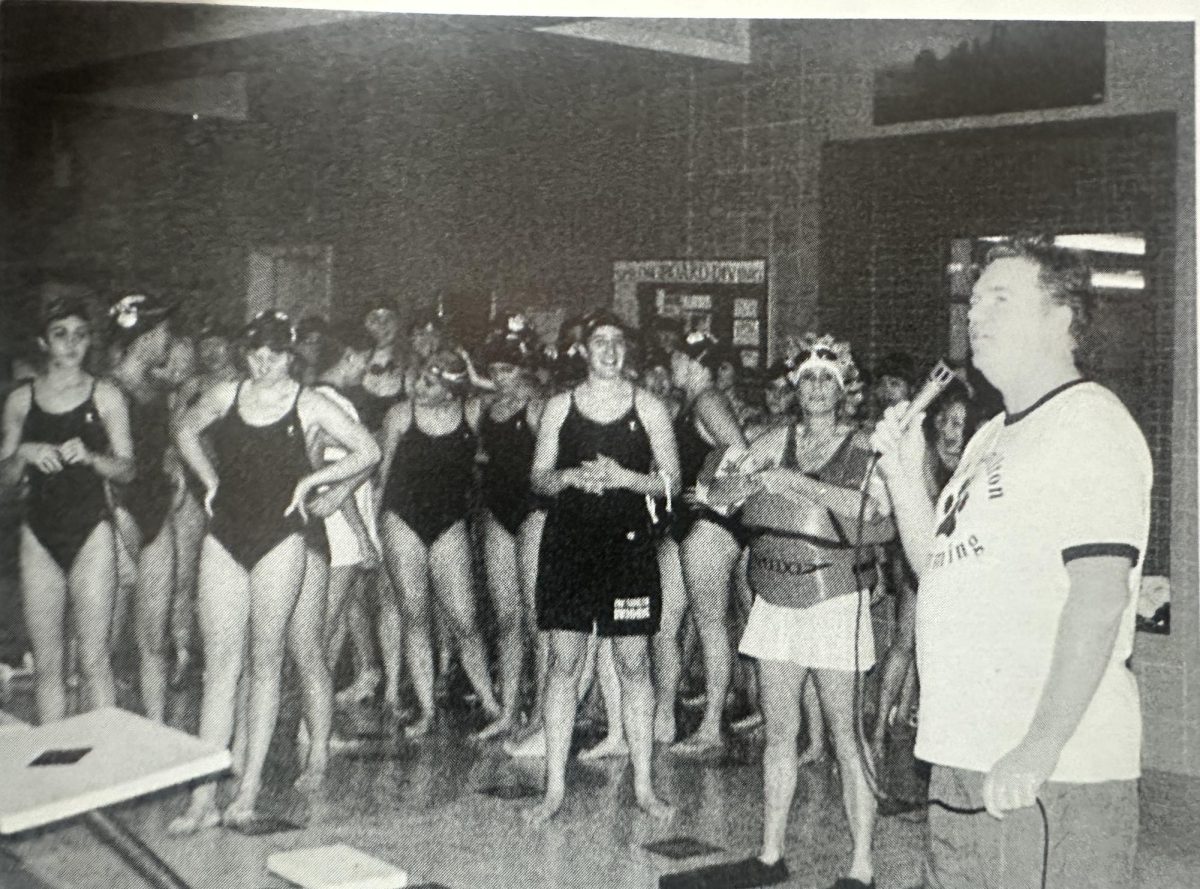
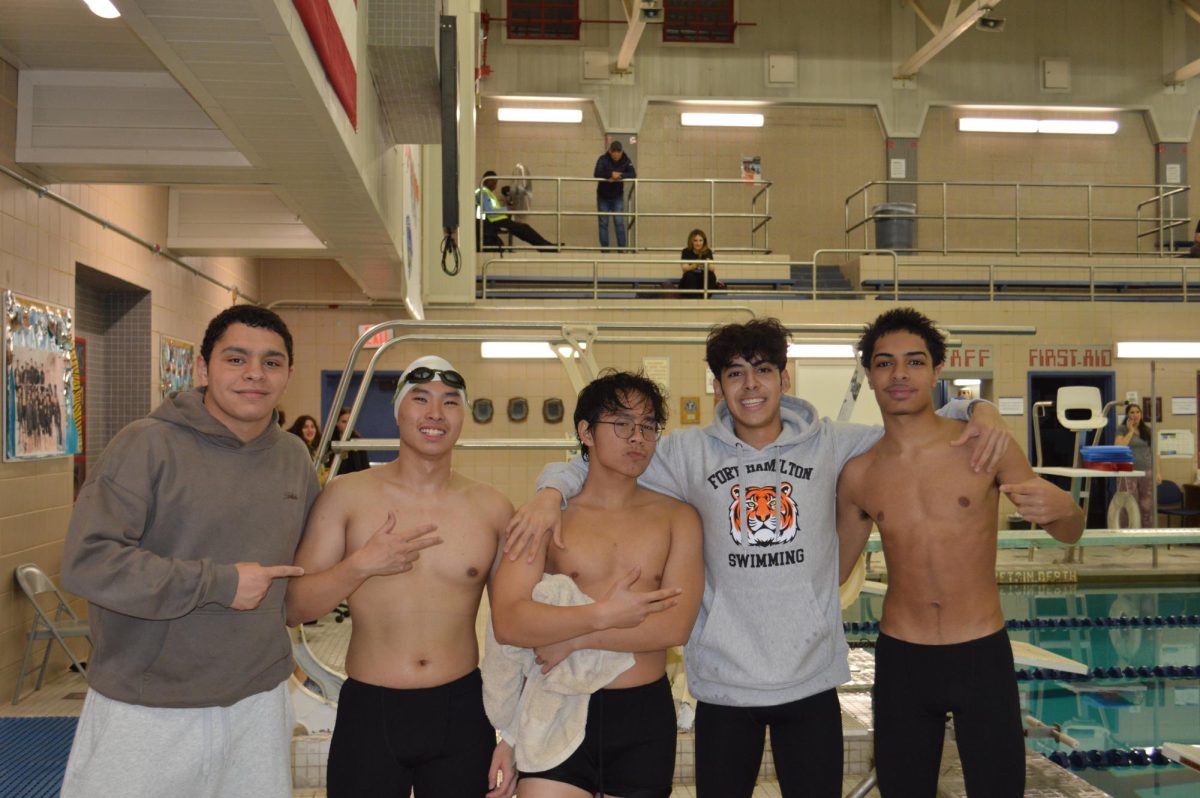
One of the most lasting changes for the school was the introduction of the Swimming Pool. This had been a development that students had campaigned for, especially those on the Swim Team at Fort Hamilton. Keith Arbeeny (class of ‘87) was one of those students; though he felt his senior year was one of the best years of his life, he had wished there was a pool available at the school for the team to practice in.
He was not alone, as the sentiment was shared with members of the staff and faculty. “Mr. Greene, the Marine Biology teacher and swim coach, spearheaded the campaign to get a pool built,” Arbeeny said, recounting the beginning of the push to install a pool. “He would take the swim team in his van after school to John Jay High School to practice in their pool. The pool was small, not in great condition, and we frequently had to remove roaches that fell into the water.”
The less than optimal conditions encouraged students to advocate for a pool to be built on campus.
Following many local board meetings and multiple visits to the offices of politicians to gain support for the idea, the swim team began planning for the creation of a pool not only accessible to the student population but the community at large. They had adopted the slogan of “Pool in School” to rally for the plans to be approved. They put up posters around the school and created signs where they mounted pressure on the local officials to officiate the pool’s construction. Ultimately, the funding allocated for the construction of the swimming pool was approved and construction began, leading to the pool that exists to this day. Arbeeny recognizes the impact of his campaign, as he would take his own daughter to the pool years later and “feel proud that I had played a small part in getting the pool built.”
1990s
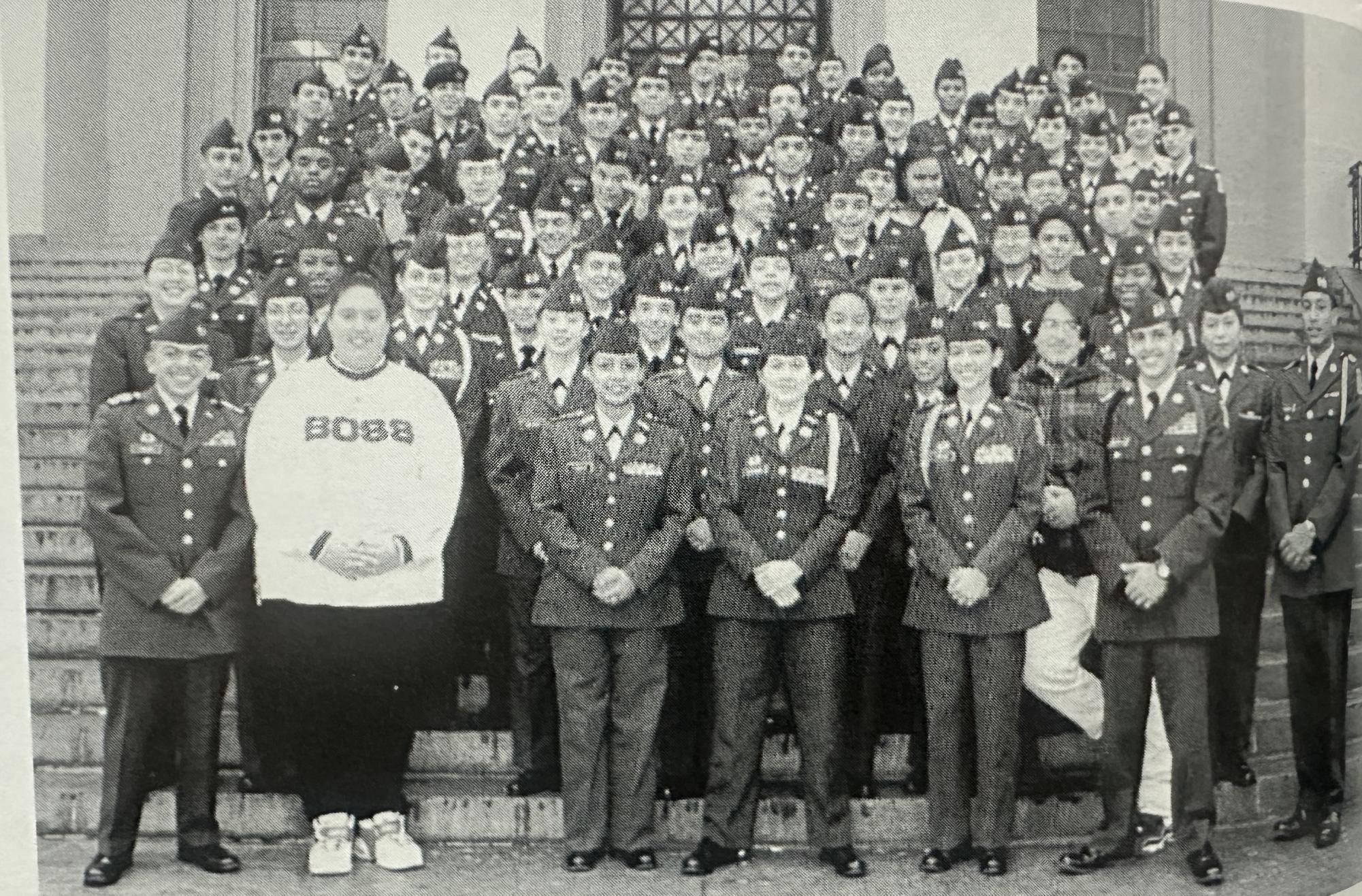
By the 1990s, Fort Hamilton High School had become one of the most active and diverse schools in Brooklyn. Students from Bay Ridge, Dyker Heights, Sunset Park and new immigrant communities from regions such as Russia, China, the Middle East, and Latin America filled the building with different languages, styles and personalities.
The hallways felt like a snapshot of the decade, with Walkmans playing everything from hip hop to grunge and conversations about New York sports or the latest TV shows floating between classes. Academically, the school was growing too. More English as a New Language (ENL) programs were added, early computer labs started appearing and college‑prep classes became more common. Fort Hamilton’s huge size gave students access to a wide range of electives, clubs and arts programs that made the school feel like its own small city.
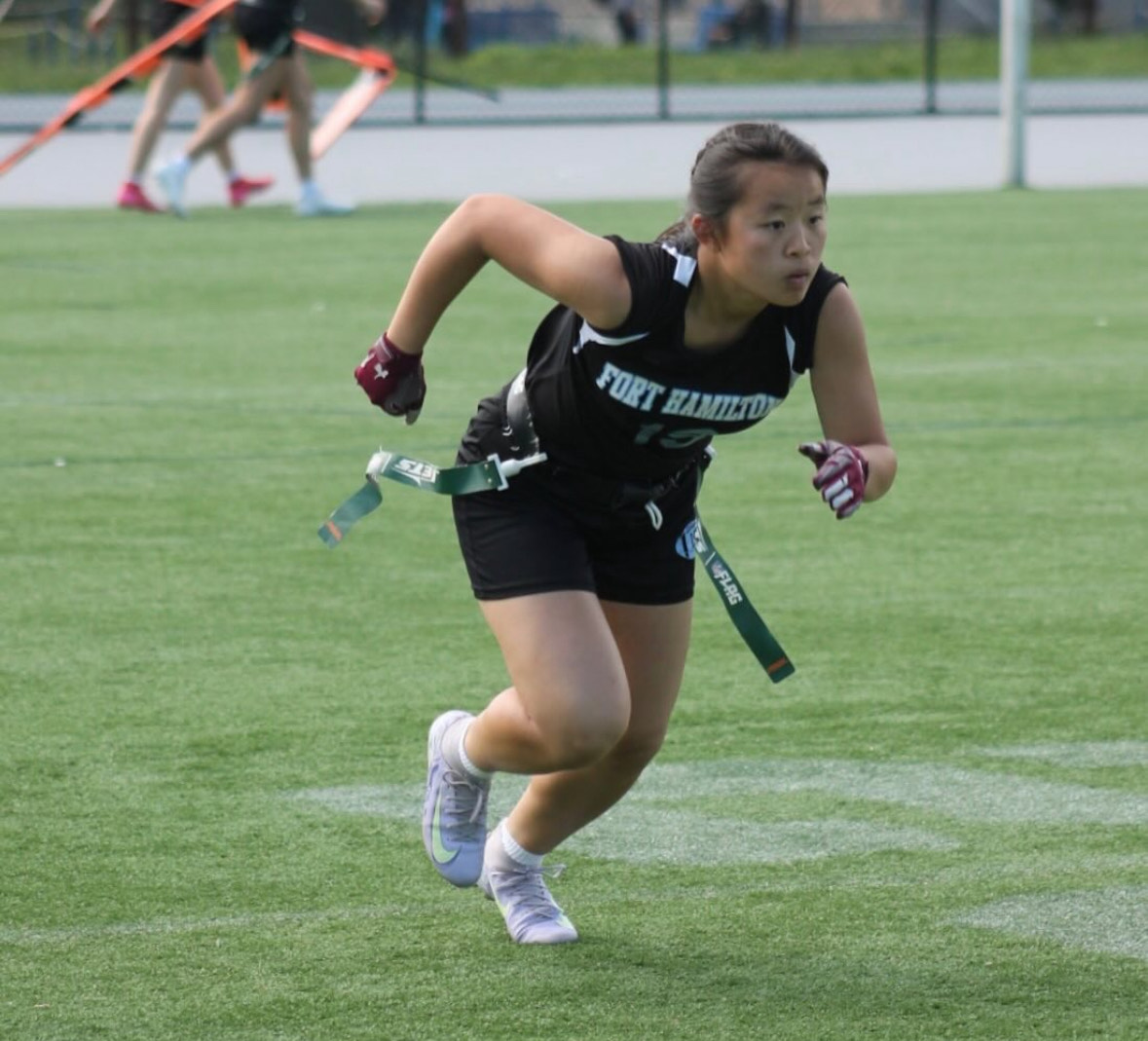
The 1990s were also a big turning point for Fort Hamilton sports. In 1991, the school officially launched its varsity football program, which quickly became a major source of school pride going 10-0 in 1992 and 1993. Friday night games brought students, families, and alumni together, and the Tigers began building a reputation in the PSAL. The marching band stayed a huge part of school life, performing at parades and community events, while the theater and art programs continued to grow. Students experimented with everything from traditional performances to artwork inspired by the street culture of New York at the time.
As the student population kept rising, the school needed more space. In the late 1990s, Fort Hamilton added modular units to the campus, creating 18 new classrooms to support the original building that had been standing since 1939. Around the same time, a new natatorium was built, giving students access to a modern swimming facility and expanding the school’s athletic options. These additions helped the school keep up with its growing community. With new programs, new facilities, and a student body that reflected the energy of Brooklyn, the 1990s became a decade of major change and momentum for Fort Hamilton High School.
2000s
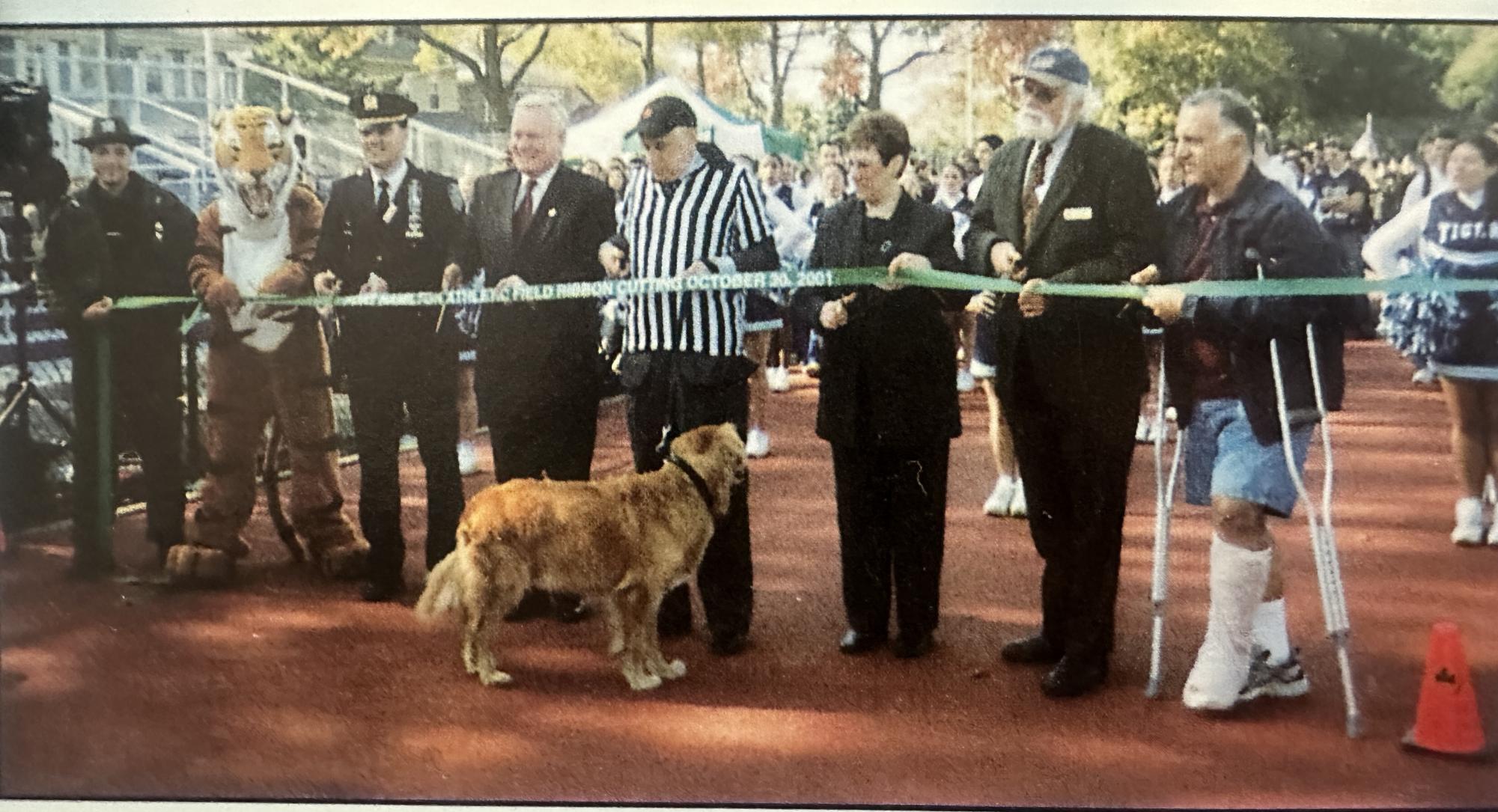
At the turn of the millenium, Fort had become one of the largest high schools in New York City. By the year 2000, Fort Hamilton had a population of 4,500+ students. Fort Hamilton had over 80 clubs and 31 PSAL athletic teams. During the 2000s era, Fort Hamilton had expanded and began to utilize its new extensions of the building. Many students who attended often said they also felt the school was enormous because of its very large campus and large population of students and faculty.
With the completion of the Module Units in the late 90s, Fort Hamilton had an additional 18 classrooms that became useful for its growing population in the 2000s. There were two module units built on each side of the building located on 85th street and 83rd street. The 83rd street module was dedicated to extra Social Studies classrooms while the 85th street modules were dedicated to World Languages classrooms.
Like many other schools in New York and in the country, Fort Hamilton faced the devastation of the events from September 11th. Many schools grew more concerned regarding safety. Many teachers during the aftermath of 9/11 took particular notice in the sense of unity and patriotism growing among the students.
The Tiger Football team had a successful season in 2005 and 2006, which led the team to become a major part of the school’s culture. In 2005, the Tigers played in the A division and defeated Herbert Lehman High School by the score of 46-22. This became their first PSAL Division A championship. They were led by Jeff Legree who was a sophomore and played the position of quarterback. He eventually went on to play professional football in Europe. In 2006, the Tigers were undefeated 13-0 and defeated Curtis High School by a score of 28-0. One of the players on the winning team was Jaiquawn Jarrett continued football in college at Temple University and played for the New York Jets in 2014. The receiver, Keith Stroud played for Rutgers University and the lineman Sal Astuto returned to teach at Fort Hamilton and to coach the Junior Varsity team.
In the 2000s, Fort Hamilton had notable alumni who went on from Fort Hamilton and became successful in the world. In 2003, Andrew Gournardes graduated. He became a State Senator in New York and had been serving since 2019. In 2007, both Jaiquawn Jarriett and K.J. Stroud graduated and they became professional football players in the NFL. Jarriett played for both the New York Jets and Philadelphia Eagles. K.J. Stroud was a wide receiver for the New York Jets and in the CFL.
Overall, the 2000s marked a period of growth, achievement and change for Fort Hamilton High School. From building expansions and increased enrollment to championship football seasons and accomplished graduates, the decade helped strengthen the school’s reputation throughout New York City. The experiences and successes of this era continue to be an important part of Fort Hamilton’s history.
2010s
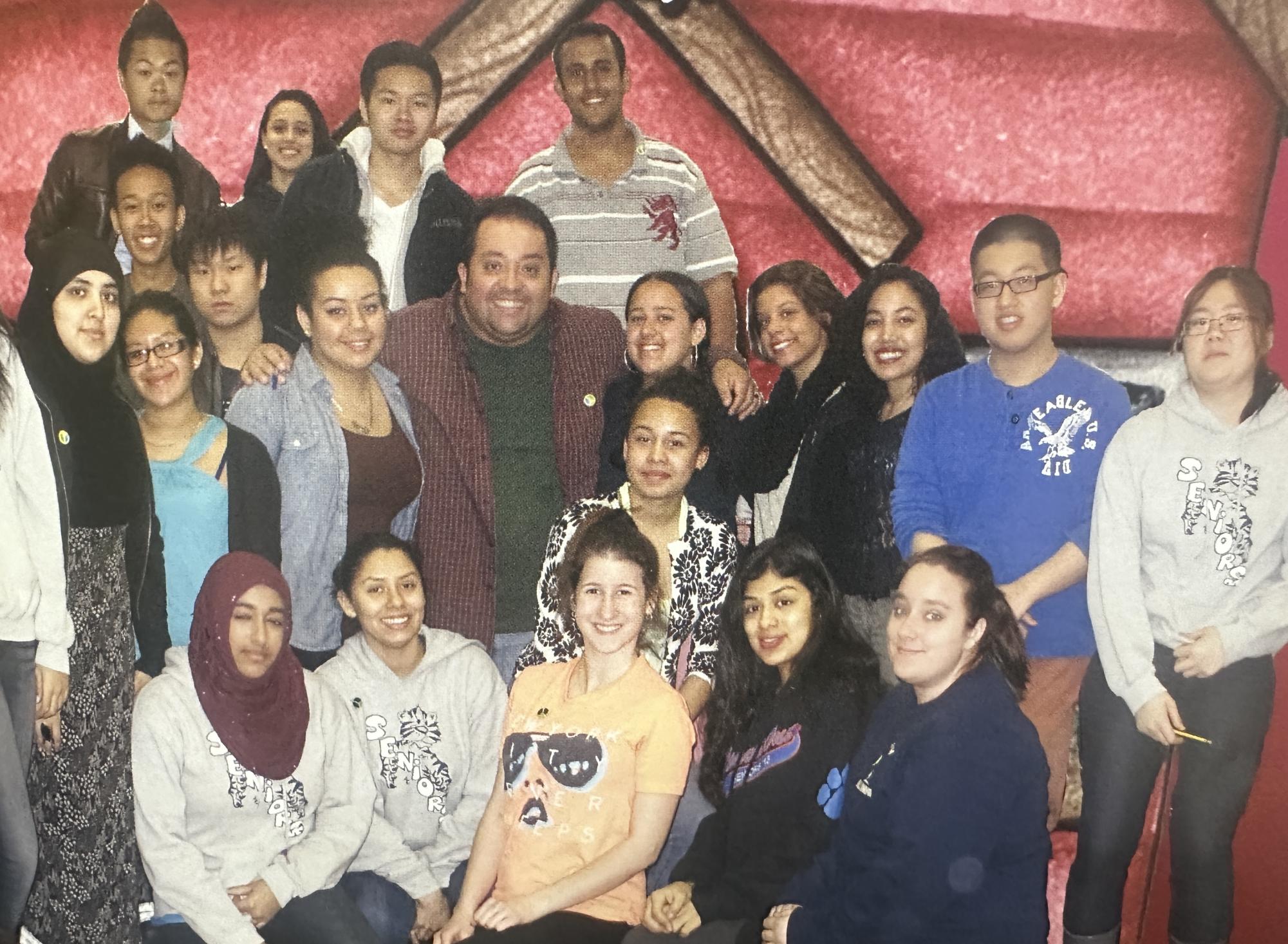
After the turn of the century that was the 2000s, a new page turned for Fort Hamilton with the brand new introduction of our current Principal Kaye Houlihan in 2012. With the experience had in her former workplace, LaGuardia High School of Music & Art and the Performing Arts in Manhattan, she led the expansion of honors and AP opportunities for students, including making sure that zoned students were considered for Honor Academy.
The year 2013 also marked a major victory for Fort Hamilton’s performing arts department. The school secured a prestigious partnership with the treasured and beloved Joffrey Ballet School, helmed by Joffrey-trained teacher, Ms. Jaafar. This collaboration was able to bring over instruction directly into the public school curriculum and still teaches many of our students to this day. In 2014, Fort Hamilton continued its specialized programs with the jumpstarting of the Law program. Currently run in part with Mr. Kaminsky, the program brought a fully functioning civics curriculum to the classroom. With mock trial competitions, legal writing seminars, and partnerships with local law firms, the program gave students a distinct competitive edge for college admissions and future legal careers.
Fort Hamilton celebrated its 75th anniversary in 2016, marking its diamond jubilee festivities with past alumni such as NBA basketball legend Albert King and Jean Balukas, a renowned pool player. It wraps up such a great era of growth and resilience from the school and marks it as a restoration of what once was into something that is now.
2020s
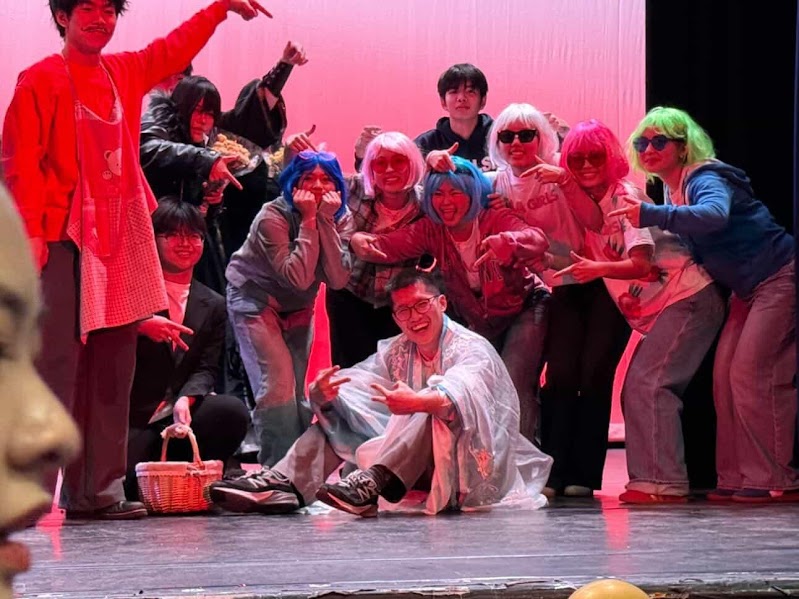
Three years ago, when paper flyers lined the hallways and events traveled by word of mouth, Fort Hamilton had a very traditional way of promoting school spirit. Recognizing the decline in school spirit, Student Activities Coordinator Mr. Alvear and the Student Government adapted a new way of advertising: modern, creative, short-form videos. These short videos featured a variety of students, and sometimes staff, sharing upcoming announcements and school events.
“We [Mr. Alvear and Ms. DePaula] would just walk down the hall and see people talk about this video and this video and it became so popular that we figured you know what? If it’s going good let’s try making it even better and try to incorporate more videos than anything else,” said Mr. Alvear.
And these videos were a hit, not only showcasing our school’s sense of humor but also our hunger for school spirit. But with such a diverse student population, a criticism is that these videos often lack inclusivity as it’s often the same cast. Looking ahead, Student Congress is motivated to include students “…from all walks of life, from different cultures, from different backgrounds, different interests, different activities,” said Mr. Alvear. By turning the camera toward the underrepresented, these videos don’t only share information but also serve as a pep rally of student voices.