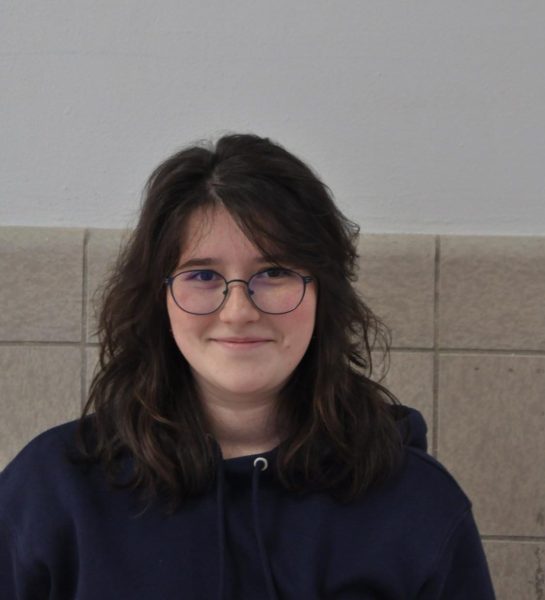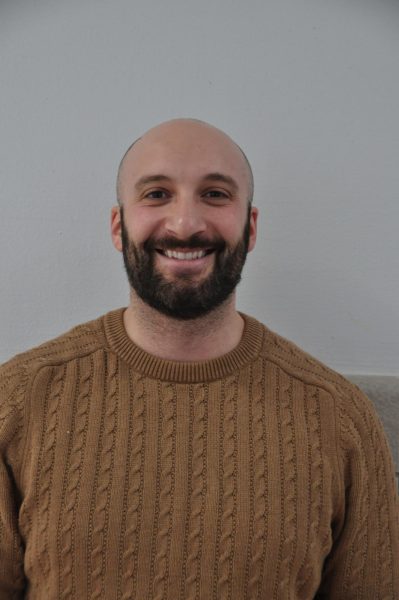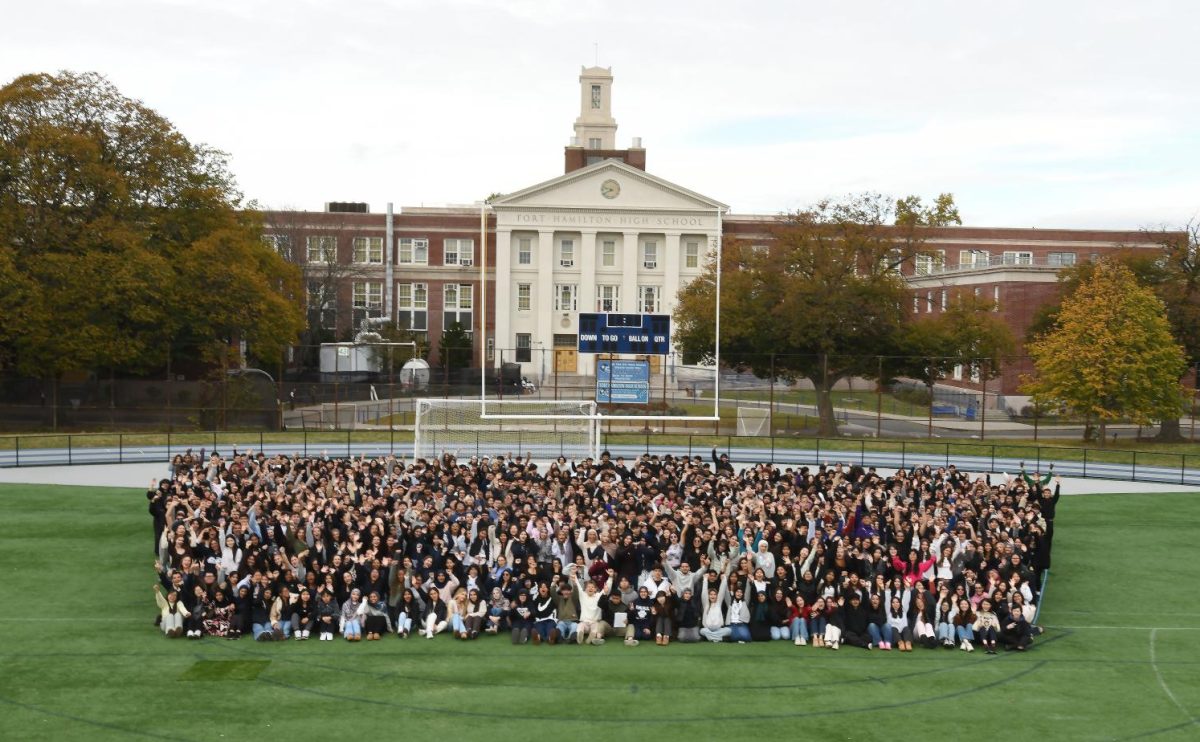
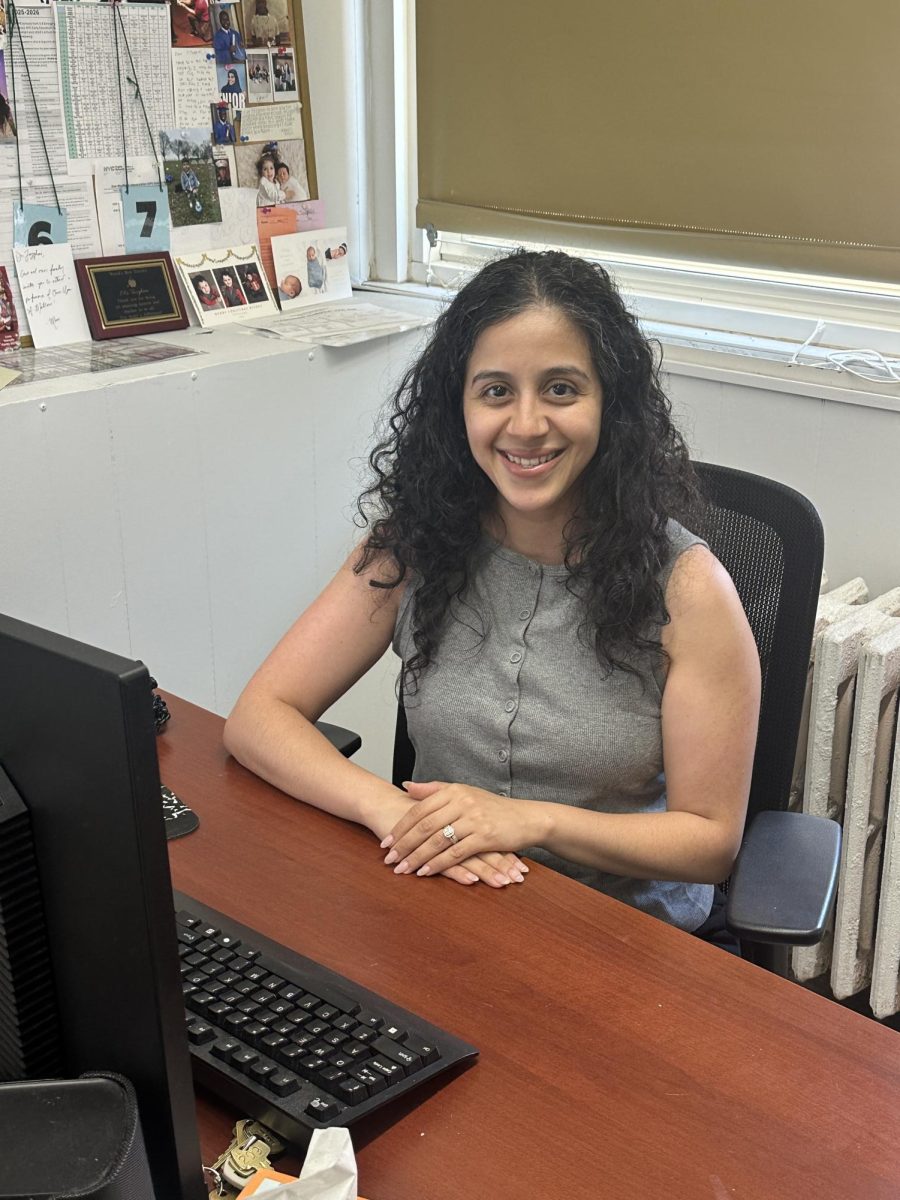


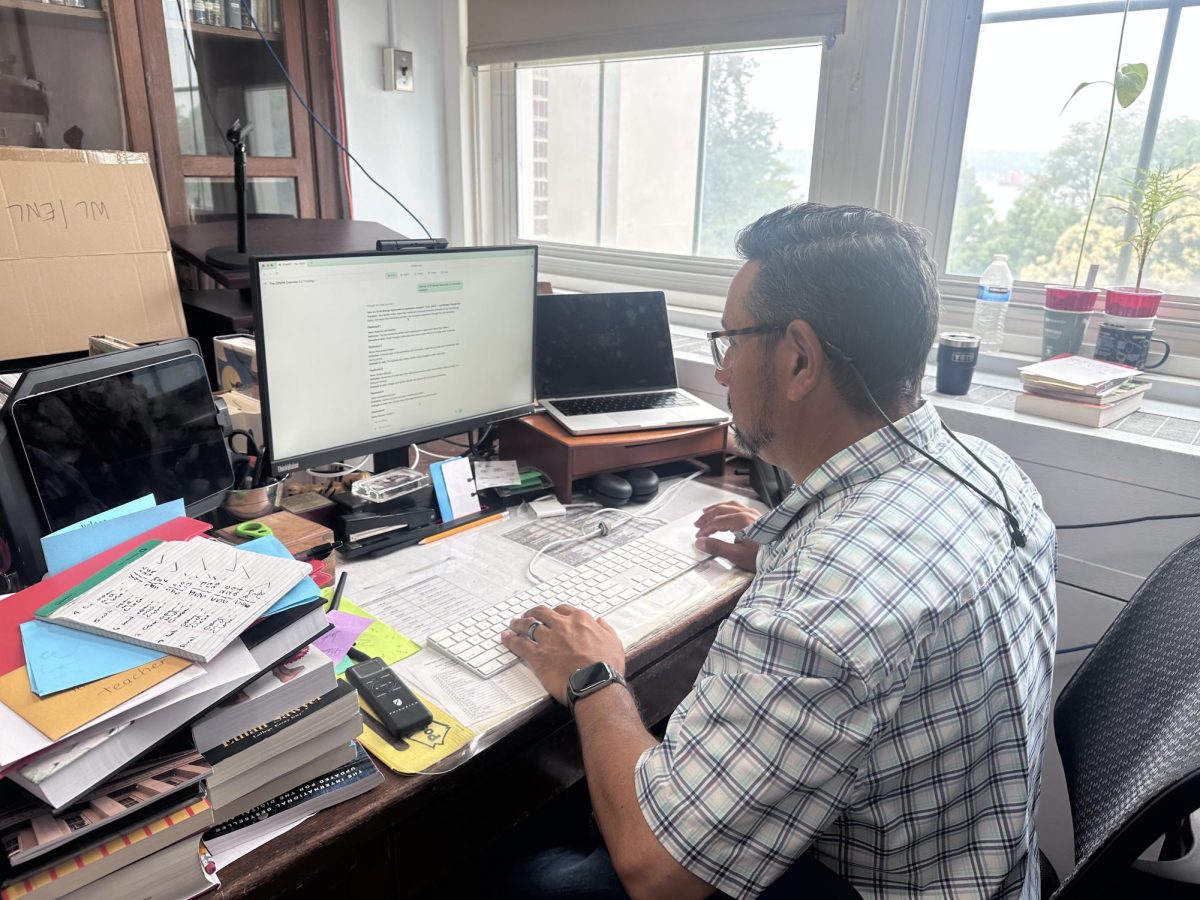


In an era when artificial intelligence is rapidly changing how people work, communicate and learn, one teacher is attempting to help students leverage the technology rather than fear it. Mr. Nelson, one of Fort’s librarians, has developed a ChatGPT-based chatbot to help students prepare for the AP Biology exam, providing a more personalized and interactive way to study.
Mr. Nelson’s work last year as a CUNY Teaching Fellow inspired this project. He explained that while working with professors at CUNY on artificial intelligence and education, his research led him to believe that “if this tool is used correctly, it can be transformative.” The idea stayed with him even after he moved on to a different project, and he eventually returned to it when he saw a way to adapt it for AP Biology students.
The project became more concrete when he and Mr. Lovrich, one of Fort’s AP Biology teachers, discussed how students could prepare for the AP Biology exam.
“It occurred to me that my former project could be repurposed to help his students prepare for a particularly challenging exam,” he said. Because so much AP Biology material is already available online and in PDFs, he saw the chatbot as a natural extension of his earlier work.
Mr. Nelson described the chatbot as something quite different from a standard study resource. “Individual responsiveness,” he said, is what sets it apart. “Most study tools are, overall, stagnant. They are developed with the general population in mind, and a student is asked to adapt to that model.” Instead, he said, this chatbot uses the “power of publicly accessible artificial intelligence to craft a study tool that is more like a tutor than a textbook.”
He added that the model “learns from your answers, right or wrong, and responds with conversation-like suggestions on what you can improve and what you are doing well.” In his view, the chatbot acts like a “really knowledgeable friend that you can ask to quiz you and tell you not just what you got wrong, but why you might have gotten it wrong and what you can do to make sure you don’t get it wrong again.”
For Mr. Nelson, the chatbot is meant to support test preparation while also helping students build confidence. He explained that it was designed to provide students with “a fair and clear assessment of their strengths and weaknesses,” so they can focus on areas where they need the most improvement.
Beyond content review, Mr. Nelson hopes the project will influence how students think about learning itself.
“I am hoping it will improve a student’s understanding of how they learn,” he said. He emphasized the importance of metacognition, which he described as “understanding not what we think, but why we think what we do, and how we learn what we know.”
If the chatbot helps students develop that kind of awareness, he said, “I would consider it a major success.”
He also made clear that the chatbot is not meant to replace traditional learning.
“The same way I would describe a pen, pencil, calculator, etc. – it is a tool, a mechanical means to achieve a desired outcome,” he said. “It should not and cannot replace traditional learning, but work to reinforce it.” In this case, the intended goal is to help students achieve higher scores on the AP Biology exam while strengthening the learning process itself.
One of the most surprising parts of building the chatbot, Mr. Nelson said, was discovering what he referred to as the “B” bias.
“Apparently, and thanks to your classmates for bringing this to my attention, there is a particularly weird coding bias when developing chatbots,” he said. “Because of their internal logic engines, they will always choose ‘B’ as the correct answer when making multiple-choice quizzes, etc…I had no idea, and it never came up in my research.”
Rather than seeing this bias as a setback, he saw it as an important part of the development process. “I was so excited to find this out,” he said. “I love mistakes and problems. They are the heart and soul of the scientific process.” He added, “If you never made a mistake or experienced a problem, you would never learn anything.”
When asked how he would respond to students or families hesitant about AI in education, Mr. Nelson said, “With deep and abiding empathy.” He described himself as “a techno-alarmist by nature,” saying that when new technology appears, he immediately thinks about its possible negative effects and how to prevent them. At the same time, he said, “I am also a scientist, and I know that the best way to confront that which you do not know or understand is to learn more about it.”
Mr. Nelson views AI as an opportunity rather than a threat. “We, as a society, but the educational community in particular, failed to grasp the trajectory of recent technological developments,” he said, pointing to the rise of the internet and smartphones as examples. “I saw the development of AI as an opportunity to get ahead of the curve — to not let its use outpace our understanding of it and lead to misuse.”
Looking ahead, Mr. Nelson said his long-term goals involve expanding the project.
“In all seriousness, it would be great if I could work with other teachers to develop more tools for more subjects and, in turn, gain a better understanding of this new and interesting tool,” he said.
For students, Mr. Nelson’s chatbot offers more than just a way to study. It reflects a larger shift in how AI may shape education in the future — not as a shortcut, but as a tool for deeper understanding, stronger preparation and more thoughtful learning.